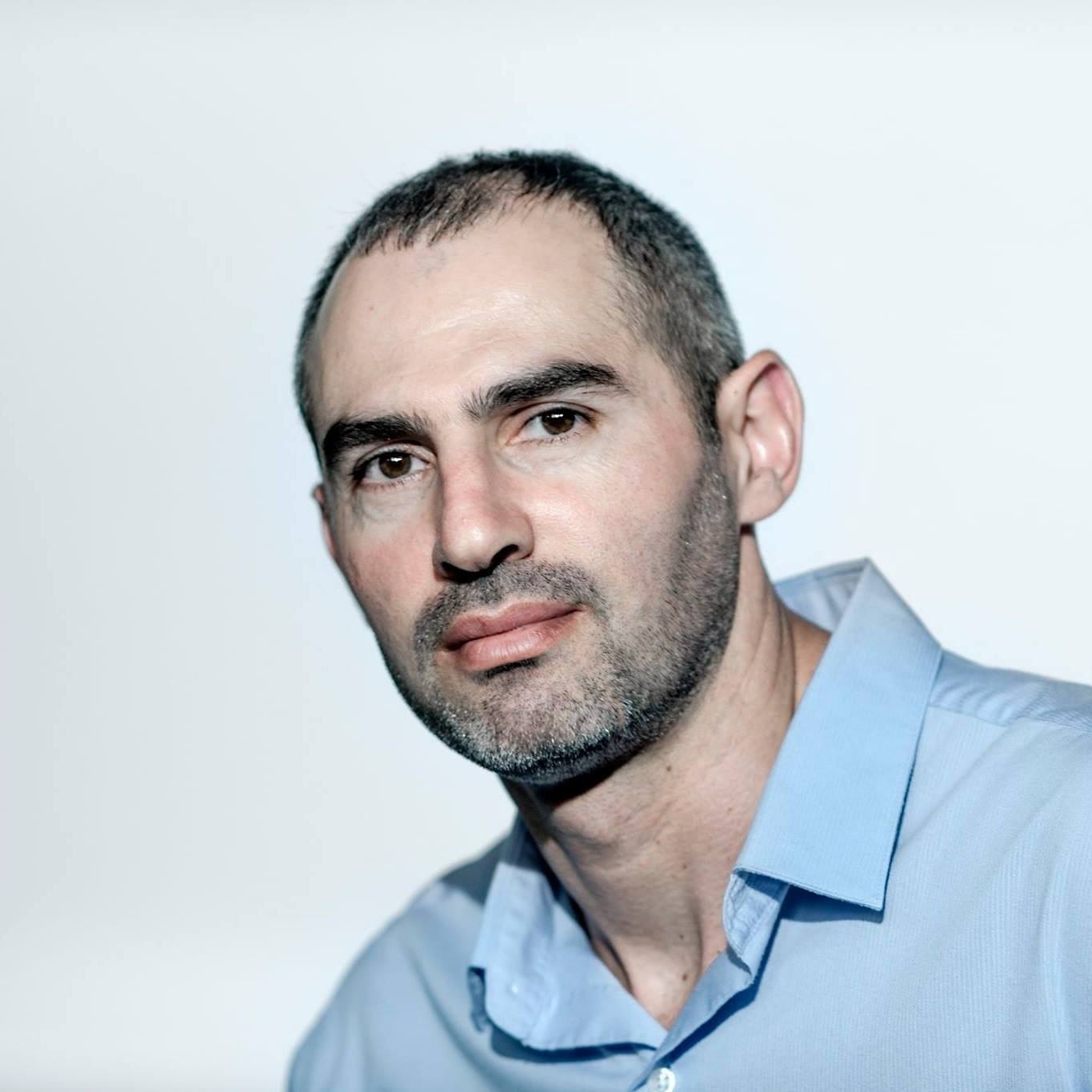
 Michael Sanilevich
Oct 28, 2026
We Can Disagree. We Still Have to Live Together
The election is over. We’ve made our choices, each according to our own beliefs and hopes for Israel’s future. Some people will be happy with the outcome, others disappointed. But whatever we think about the results, one thing hasn’t changed: we’re still here, living together in the same country, sharing the same future.
Israel has never been a society of one opinion. We have different political views, different priorities, and different ideas about what this country should look like. That's not the problem. The problem is that we seem to have forgotten how to disagree without allowing those differences to divide us into opposing camps that can barely tolerate one another.
There was a time when the need to survive, build a country, and defend it gave us a common purpose. Today, we face different challenges, but the basic question remains the same: What holds us together when we disagree about almost everything else?
We need security. We need a strong economy and a society that takes care of its people. But none of these can replace the basic understanding that we have to find a way to live together. We cannot build a future if every disagreement becomes a battle and every political victory comes at the expense of an entire section of society.
Think about it this way: we don't choose our neighbors, and we don't have to agree with them. But we still have to find a way to get along. We can argue, disagree, and hold firmly to our convictions without treating one another as enemies. The same principle applies to an entire country.
We don't need to think alike. We need to learn how to live together without demanding that everyone think like us.
That means recognizing that people who see Israel differently from us aren't going to disappear. They have their own fears, hopes, and convictions, just as we do. We don't have to accept every opinion or agree with every decision. But we do need to accept that this country is home to all of us, not just those who share our political views.
The deeper problem is that we've become so focused on defending our own positions that we've lost sight of what we share. When there is no common value above our differences, every compromise feels like a defeat, and every disagreement becomes a struggle over who gets to determine the country's future.
We need to change that. Not by eliminating political differences or pretending that everyone is right, but by learning to put those differences into perspective. We can fight for the future we believe in while recognizing that the people on the other side of the argument are part of that future, too.
The election may determine who governs us, but it cannot decide how we treat one another. That part is up to us.
So now that we've voted, maybe it's time to ask a different question. Not who was right or wrong, who won or lost, but what we can do to make this a country where people with very different opinions can still feel that they belong.
We will not always agree on how Israel should be run. But we have to find a way to get along, take responsibility for the society we share, and build a future together. Not because we agree, but because we live here together.