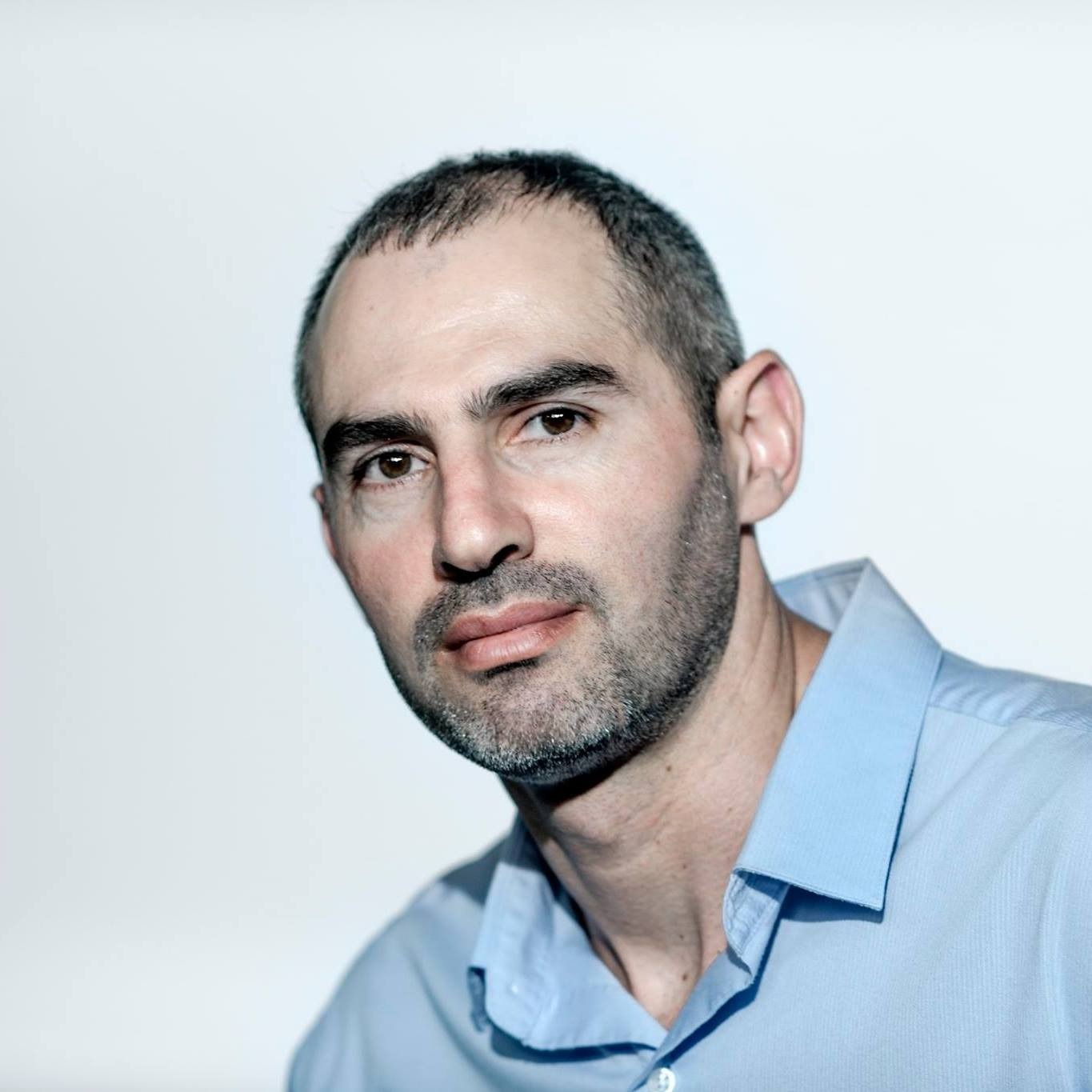
 Michael Sanilevich
Jul 17, 2026
Michael Sanilevich
Jul 17, 2026
Tisha Ba'av: Understanding The Deeper Reason Behind the Destruction
Every year, the Three Weeks - the period between the fast of the 17th of Tammuz and Tisha B'Av - remind us of the destruction of the Temple. But beyond commemorating a historical event, these days invite us to examine the deeper reason behind that destruction and the opportunity that still stands before us today.
The Jewish historian Josephus described the final days before Jerusalem fell to the Romans with striking clarity. As internal divisions tore the city apart, he wrote that the Romans rejoiced at the conflict among the Jews.
The tragedy, he observed, was that the suffering caused by Jews fighting one another became even greater than the destruction inflicted by the Roman army itself. In the end, it was not military strength that defeated Jerusalem - it was internal division.
The Kabbalists explain that the physical destruction of the Temple reflected a much deeper spiritual collapse. When the bond between people was lost, the Temple itself became an empty shell. The building could no longer fulfill its purpose because the inner connection it represented had disappeared.
Today, after nearly two thousand years of exile and the return of the Jewish people from every corner of the world, we have been given another opportunity. The future of Jerusalem is no longer determined by outside forces. It depends on the quality of the relationships we build with one another.
According to the wisdom of Kabbalah, the name Jerusalem (Yerushalayim) points to a state of complete reverence - a shared awareness of how essential our unity is, and how dangerous separation can become.
Within our relationships lies what Kabbalah calls the Temple Mount. The word mount symbolizes the mountain of egoistic thoughts and desires that constantly push us apart and make genuine connection difficult. Our work is not to eliminate this mountain, but to rise above it.
Only then can we build the true Temple - not merely a structure of stone, but an inner bond founded on mutual responsibility, bestowal, and love. This is the spiritual structure that the physical Temple was always meant to symbolize.
Although the ancient building was destroyed, the seed of unity has never disappeared. It has remained within us since the days of the First Temple, waiting to be awakened. Every time we choose connection over conflict, understanding over accusation, and responsibility over division, we begin rebuilding what was lost.
King David expressed this vision beautifully: "Jerusalem is built as a city joined together in unity." That unity is not simply geographical. It is the connection of hearts.
When we cultivate mutual responsibility and solidarity, we fulfill the calling to become "a light unto the nations." We demonstrate that lasting peace cannot be built through force alone, but through human connection. As the prophet Isaiah envisioned, "My house shall be called a house of prayer for all peoples."
The Three Weeks therefore are not only a time of mourning. They are a reminder that the rebuilding of Jerusalem begins not with stones, but with the relationships between us. When we restore those relationships, we lay the foundation for a new spiritual reality - one built on peace, unity, and brotherhood that can ultimately serve all of humanity.