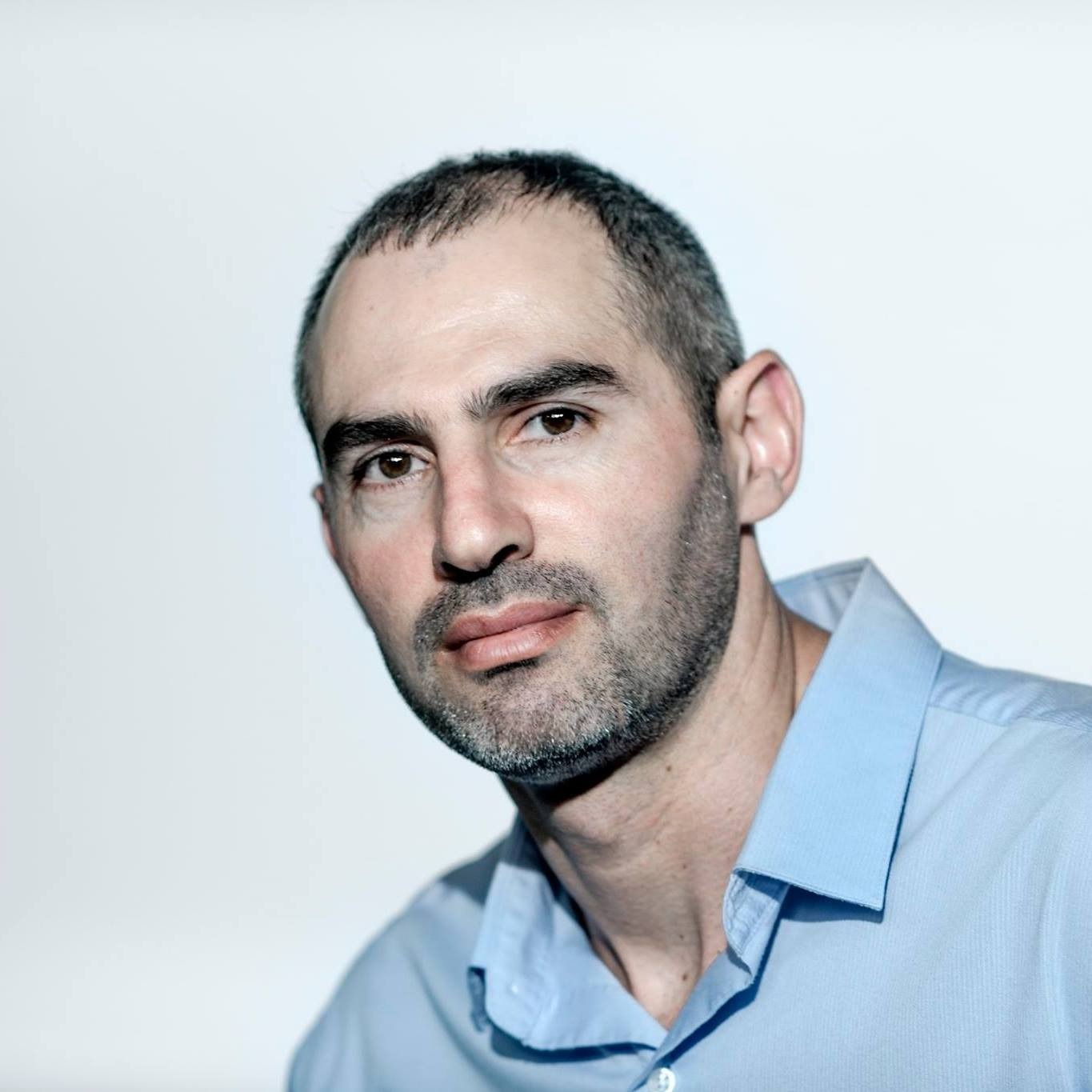
 Michael Sanilevich
Sep 22, 2026
Michael Sanilevich
Sep 22, 2026
Sukkot - Selected Excerpts from the sources
 Hello and welcome to all our dear and special friends. We're so thrilled to be here in another lesson with you. We're in a very special time. According to the wisdom of Kabbalah they're called - a time of grace. When the Kabbalists started creating the calendar - the Hebrew months are organized according to the development of a single individual. We're still not in this proper process - we're in the preparation period that also has stages. We're still in a reality of time and space. A Kabbalist is above these things - meaning they don't affect him like they affect us.
There are specific milestones during the year and right now we're in this entire month of high holidays that began with Rosh Hashana - the beginning of change. Then ten days until Yom Kippur what we experienced over the last couple of days. This is where we prepare for a very special milestone called Sukkot, which is a holiday full of symbols. We'll get into its meaning. And of course we celebrate this as a traditional holiday here. But we're going to talk about the spiritual meaning. Even if we're not in that state yet we want to strive to be there by reading the sources. Through our collective effort to be in adhesion with the stage that the Kabbalists we can advance.
Deciding to be a man - we can decide at any point. But the Kabbalists marked it on the calendar for people like us - so these external symbols would remind us about internal things. And after a person decides they want to be a man they check all their attributes - those ten terrible days where we try to impact the Creator and see we can't. Which is why we decide to do a restriction on Yom Kippur.
We have this anti-egoistic force that enables us to think of others apart from ourselves. And this entire holiday is about how to build this screen - this anti egoistic force. It's about coming out of our permanent "home" our egoistic attitude, and move to a temporary dwelling called to bestow - the Sukkah. The building of the screen is the main issue here - the wisdom of Kabbalah talks about the thatch.
Clip 4 – Preparation for Sukkot
I possess a general "will to receive," within which I sense all of reality. Everything I feel and everything I have is experienced inside this general will to receive. Now, I carve out a slice of it and wish to arrange it differently than the rest of that will to receive.
What kind of arrangement?
An inverted one: making what was previously unimportant—such as bestowal, love, connection, brotherly love, self-nullification, justification, submission, and similar qualities unrelated to the will to receive—into something important.
I take these specific attributes, sort them, and seek to elevate their importance - to build a hierarchy of values within myself that is the reverse of the previous one; this is called "preparation for Sukkot."
From this, I now construct a new attitude toward life.
This new attitude toward life is called a "Sukkah," or a spiritual Partzuf (spiritual structure), Havayah, the House of the Lord, the Temple, a Minyan, a Ten - it does not matter what we call it. A new attitude toward life - an attitude of bestowal - is termed "spirituality," as opposed to my previous way of relating to my desires and to reality in general, which is termed a "corporeal attitude."
Sukkot teaches us how to construct our attitude - our perspective, our paradigm - in a new, spiritual way. Michael Laitman
So basically it all comes down to our attitude - what's important and what's not. And what wasn't important - I want to turn it into important. The attribute of bestowal isn't important to us - like garbage. In Sukkot we take something not important and raise it upward to make it important - that's what the thatch is all about. From the attribute of bestowal not being important to us, we take a first step in building the screen which is called the thatch.
Sukkot - Selected Excerpts from the sources
3. RABASH, Letter No. 36
The thatch, called “shade,” is made specifically from the waste of barn and winery. This is the meaning of what we say in the prayer inside the Sukkah, “And to take refuge from rain and torrent.” It means that faith saves a person from all the harm doers, since harm doers are alien thoughts and alien views, and faith is built specifically on waste. Only in this way is there refuge from rain and torrent; otherwise, one follows the trends of the world.