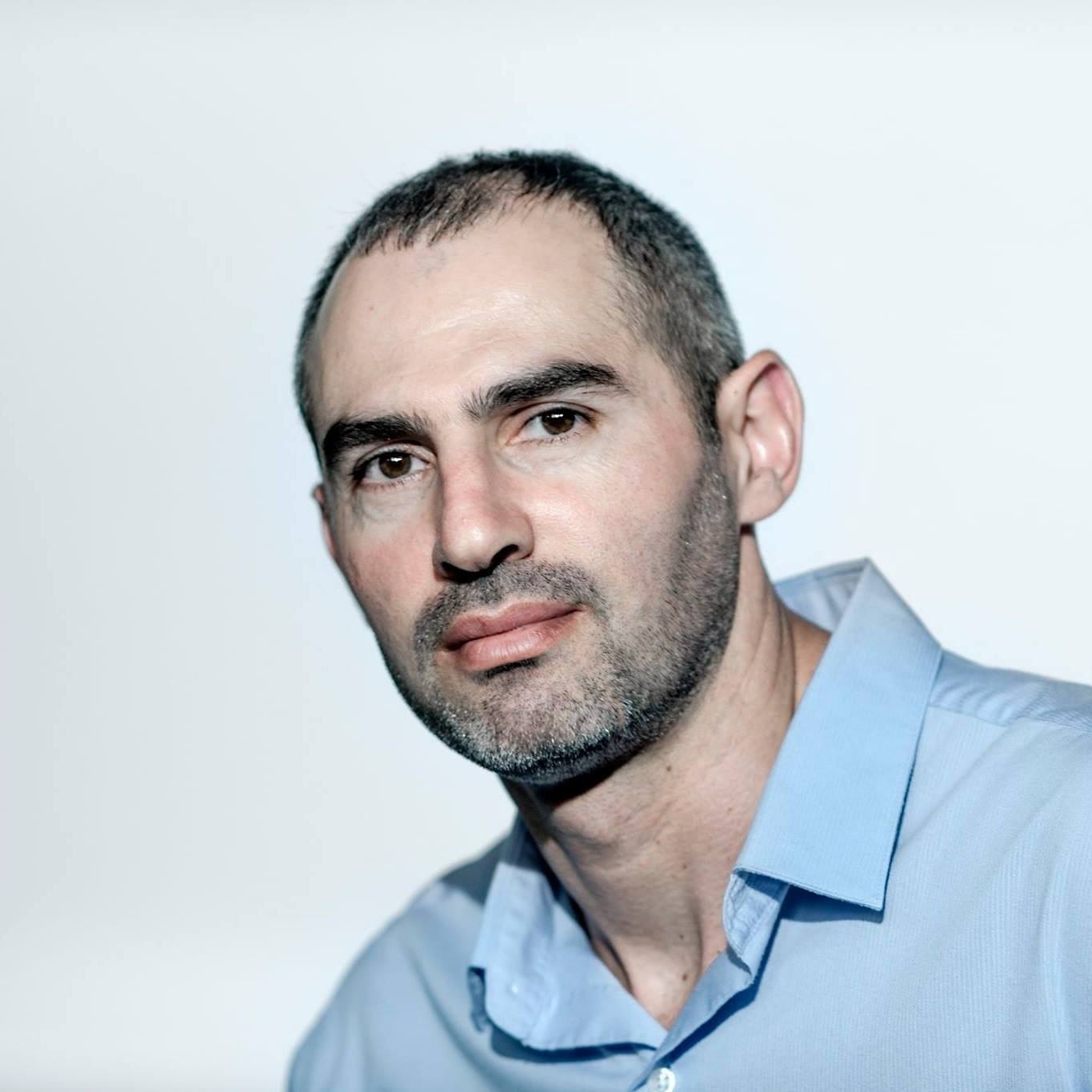
 Michael Sanilevich
Nov 04, 2026
Post Convention Insights
 Hello to all our friends around the world - it's great to be back in the studio!
After eight days away at the convention in New Jersey, it's wonderful to see so many new faces joining us on the screen. The convention may be over, but the real work is just beginning.
For today's lesson, we chose an article that speaks directly to the state we're in right now: "What Are Day and Night in the Work?" by Rabash (1988).
The article explores a profound question: What do light and darkness really mean in our inner development, and how can they become one day?
In our daily lives, we naturally associate light with good feelings, inspiration, energy and clarity. Darkness, on the other hand, is something we want to escape. But in spiritual development, the definitions are different.
As Michael Laitman explains, light is the feeling of being able to move toward bestowal, to rise above our natural self-interest and develop a genuine desire to connect with others. It is a state in which we find meaning and fulfillment in giving, supporting and working for something greater than ourselves.
Darkness is the opposite experience. It is when we lose that desire, when connection feels difficult, when we become absorbed in our own concerns and find no taste in the work of bestowal.
But here is the important insight: darkness is not a mistake, and it is not a failure. It reveals what still needs to be corrected within us.
We cannot truly appreciate the light without experiencing darkness. We cannot develop a desire for connection without first discovering how much our natural egoistic nature resists it. The darkness reveals the lack, the distance between where we are and where we want to be. And that very lack becomes the foundation for the next step forward.
This is why Rabash describes evening and morning as one day. Both states are necessary. The ascents and descents, the inspiration and the emptiness, are not separate experiences that cancel each other out. Together, they move us toward the same goal.
This understanding is particularly important after a convention. During those days we were together, many of us experienced an extraordinary sense of connection, unity and inspiration. Returning to everyday life, we may feel that intensity gradually fading. We may even experience emptiness or a sense of distance from what we felt together.
We shouldn't be disappointed by that. Nor should we try to hold on to the feelings of the convention by force. The question is what we do with the new desire that has opened up in us.
Can we build that connection through our own efforts, in our tens, in our daily studies, in our relationships with the friends and in the responsibility we take for one another?
The real measure of our progress is not how inspired we feel on a particular day, but whether we continue moving toward connection even when the inspiration is gone.
And this is where the society becomes so important. We help one another recognize the goal, especially when one of us is going through a state of darkness. When one loses the strength or desire, the others can help awaken it again.
The convention gave us an opportunity to experience what connection can feel like. Now we have the opportunity to make it part of our everyday reality.
The convention doesn't end when we leave. It continues in the work we do together. And both the light and the darkness are part of that journey.
It's good to be back, and even better to continue this journey together.